Part Three: Implications, Judgment, and the Craft of Home Inspection Narrative Reports

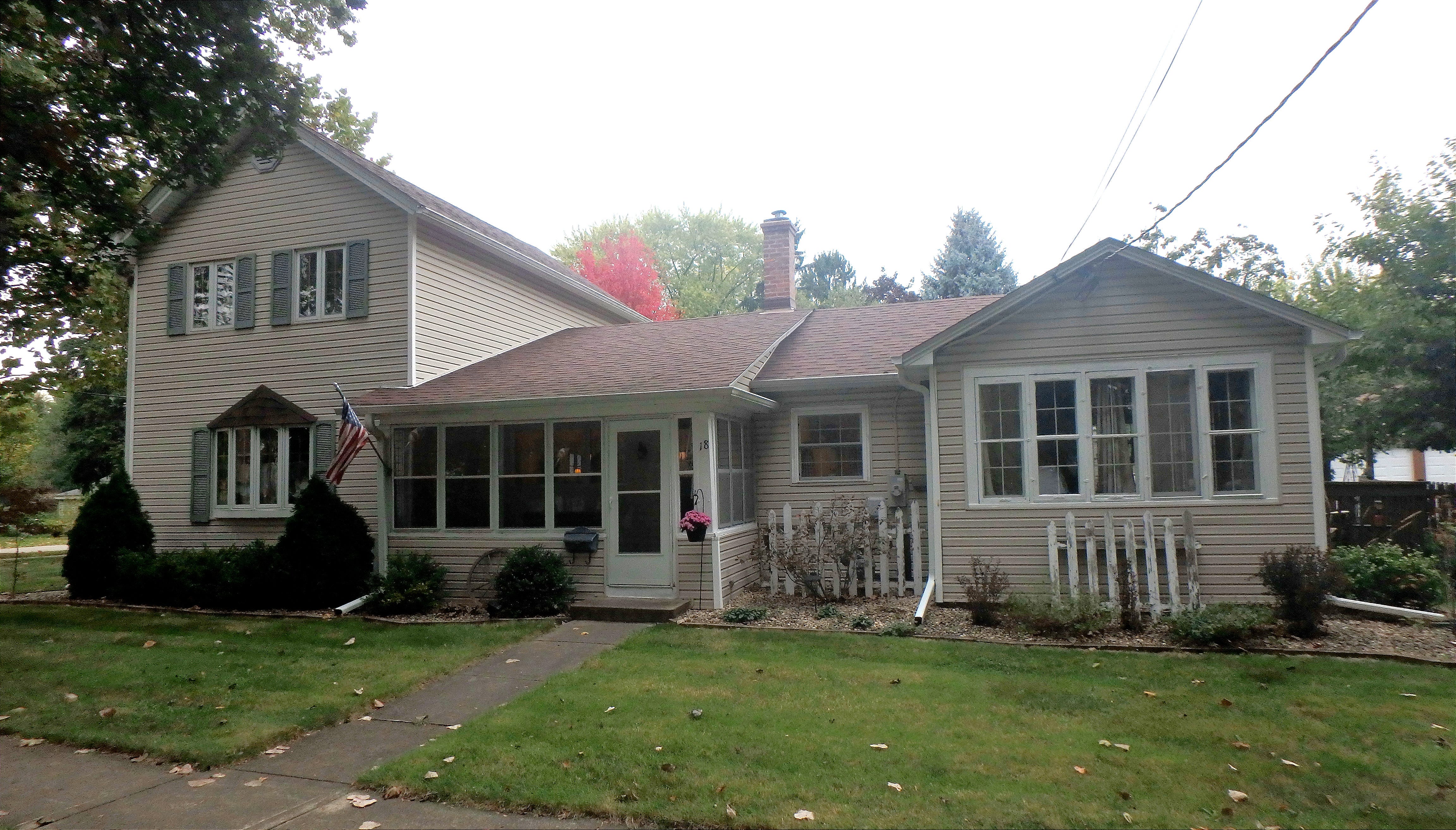
Part Three of a Three-Part Series on Implications, Judgment, and the Craft of Home Inspection Reports
This post continues the discussion from Parts One and Part Two, where I explored when implications matter, why some harmless conditions still deserve attention, and how homebuyers interpret the details we present. In this final installment, we turn to the tools inspectors use to communicate those findings — the default comment structures that can support good reporting or quietly undermine it.
Why Templates Can’t See What You See
Templates are efficient.
They save time, reduce repetition, and help ensure consistency.
But a template cannot tell the difference between:
a harmless material quirk
an age-related change
a cosmetic irregularity
a meaningful deficiency
or a significant safety concern
So the template does what templates do:
it standardizes.
That standardization becomes a problem when:
the age of the home matters
the context of the condition matters
the presence of the client matters
the performance of the component matters
or the story that the house is telling matters
Templates flatten nuance.
Inspectors interpret it.
This is why software, by itself, cannot determine whether a cracked slab is merely informational or whether a missing handrail is a safety risk.
Only the inspector can do that.
When Implications Add Clarity — and When They Only Add Clutter
One of the most common missteps encouraged by templates is the universal implication — the belief that every comment must say what will happen if the condition is not corrected.
But as we established earlier:
The Standard requires inspectors to state the implications of the conditions only for deficiencies that are not self-evident.
Which means many template-driven narratives are unnecessarily elaborate.
Implications add clarity when:
the defect carries risk
the consequence is not obvious
the significance is invisible
the condition could escalate
or the client may misunderstand the seriousness
Implications add clutter when:
the condition is self-explanatory
the item is cosmetic
the client is not likely to take any action regardless
the explanation does not change the buyer’s understanding
the narrative grows longer without improving clarity
Templates tend to err on the side of overstatement.
Inspectors must err on the side of accuracy.
The Distinction Templates Rarely Get Right: Near-End-of-Life vs. Not-Functioning
Most template libraries treat these as interchangeable. They are not.
Not Functioning Properly
A current deficiency is when something is:
leaking
buzzing
flickering
misaligned
not performing as intended
These deserves correction.
Near End of Life
A material or component that:
is old
still functions
may need replacement in coming years
is operating within its expected decline
The SoP does not require inspectors to predict future failure.
Yet templates often push age-based recommendations that read like defects, which can distort the meaning of the report and inflate a client’s sense of urgency.
The moment we begin calling everything a deficiency is the moment the report stops being a tool of clarity and becomes a source of confusion.
Why Clients Want the Narrative — Not Just a list of Defects
A report filled with defects is alarming.
A report filled only with defects is incomplete.
Buyers want the story of the home, not just its problems.
They want to understand:
what is old
what is typical
what is harmless
what is character
what is cosmetic
what is worth monitoring
and what genuinely needs attention
Templates do a poor job telling this story.
Only a thoughtful narrative does it well.
This is why the most meaningful reports often balance:
a handful of actionable recommendations
several important safety findings
and dozens of small, harmless observations that help the buyer understand the home they’re stepping into
The narrative is not fluff.
It is orientation.
What Templates Can Do — and What They Cannot Do
Templates can:
prevent omissions
speed documentation
house useful boilerplate
maintain consistency
Templates cannot:
replace judgment
distinguish risk from character
assess context
sense the client’s concerns
determine the significance of a condition
understand the age or integrity of a component
The narrative library in the report writing software should support the inspector, not replace the inspector’s narrative craft.
This distinction isn’t often discussed in the profession, but it should be.
Where This Three-Part Series Leaves Us
Across these three posts, a pattern has emerged:
Part One:
The Standard requires implications only for deficiencies that are not self-evident.
Judgment determines when to elaborate.
Part Two:
Clients often want reassurance more than recommendations.
Small, harmless conditions help build confidence that the inspector was thorough.
Part Three:
Templates are helpful, but only inspectors can tell the story of a home.
Narrative clarity requires inspector’s judgment, added to the software’s automated phrasing.
Together, these form a single message:
The implications we include in our reports are the tools of communication, not a requirement for every comment. And inspector’s are not required to present everything as a defect.
Our job is to clarity what matters including some conditions that are merely part of the home’s story.
Part 1: What My Own Report Taught Me About Implications, Standards, and the Craft of Home Inspection
Part 2: What Age-Related Conditions Tell Us About Buyers, and About Ourselves
Part 4: A Small Correction and a Larger Lesson
I could quibble with a few of your comments John but it would be just that...quibbling. You did a fine job of laying out the strengths and weaknesses of template based reporting and I applaud you for that. It appears obvious to me that your clients are fortunate to have you as their inspector. I think your article also does a good job of explaining why AI will not be likely to ever take the place of an experienced, knowledgeable, and ethical home inspector. Good work.
I really appreciate this three-part series. You’re putting words to something many inspectors feel but rarely say out loud: software can organize our findings, but it can’t think, and it sure can’t understand the story a house is telling. The judgment piece is still on us.
I see the same problems you describe — templates pushing long implications where none are needed, age-related notes getting spun into “defects,” and reports that end up scaring buyers rather than helping them understand the home. Most clients just want clarity: what’s normal, what’s cosmetic, what needs attention, and what actually matters for safety and livability.
Your point is spot-on: a good narrative is not fluff. It’s the part that helps buyers make sense of the place they’re about to call home. Templates can keep us organized, but they can’t replace a thoughtful explanation from someone who understands houses.
Thanks for putting this into words. It’s a message our profession needs to hear.