Vocab Breakfast: Honeycomb
Defect in Poured Concrete Walls

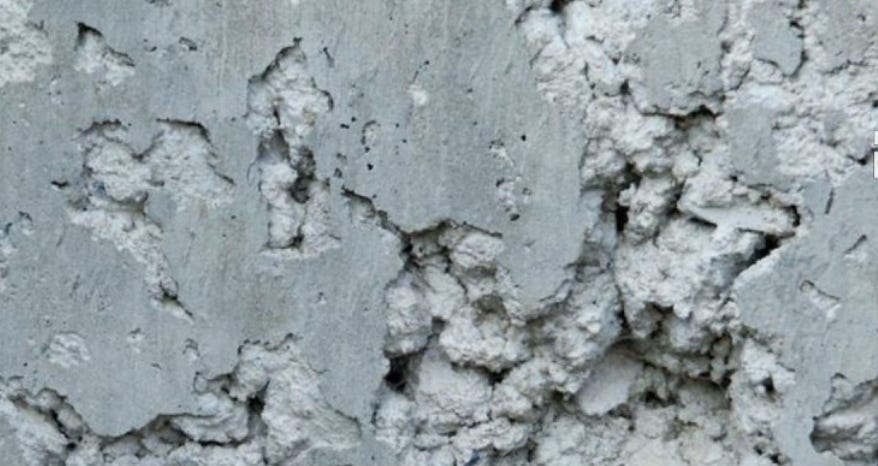
In poured concrete, honeycomb refers to visible voids in the surface where the cement paste failed to fully fill the spaces between coarse aggregates. These voids resemble the irregular, open pattern of a natural bee's honeycomb—hence the name.
Why It Matters:
Indicates poor consolidation (inadequate vibration or improper placement of concrete).
Reduces strength, durability, and weather resistance when it extends through the full width of the concrete wall.
Can provide pathways for water, potentially leading to corrosion of reinforcement over time.
Difficult to determine the how deeply this penetrates through the wall.
Minor honeycomb may be superficial and cosmetic.
Deep or extensive honeycomb can mean weak spots in the wall, especially near beam pockets or intersections between walls.
Moisture Intrusion Risk:
Honeycomb voids can be direct paths for water to enter through the foundation.
Rebar Corrosion (Long-Term Risk):
If honeycombing exposes reinforcement bars (rebar), moisture and air can lead to corrosion, which expands and cracks the concrete further.
For deep or widespread honeycomb, especially if near structural loads or with signs of moisture:
“Recommend further evaluation by a qualified structural engineer or foundation specialist. Remedial repair may be necessary to ensure integrity and long-term performance of the foundation.”
If rebar is visible:
“Visible reinforcement within honeycombed areas may be vulnerable to corrosion. Recommend immediate evaluation and appropriate repair by a foundation professional.”